
Last Updated: May 2026
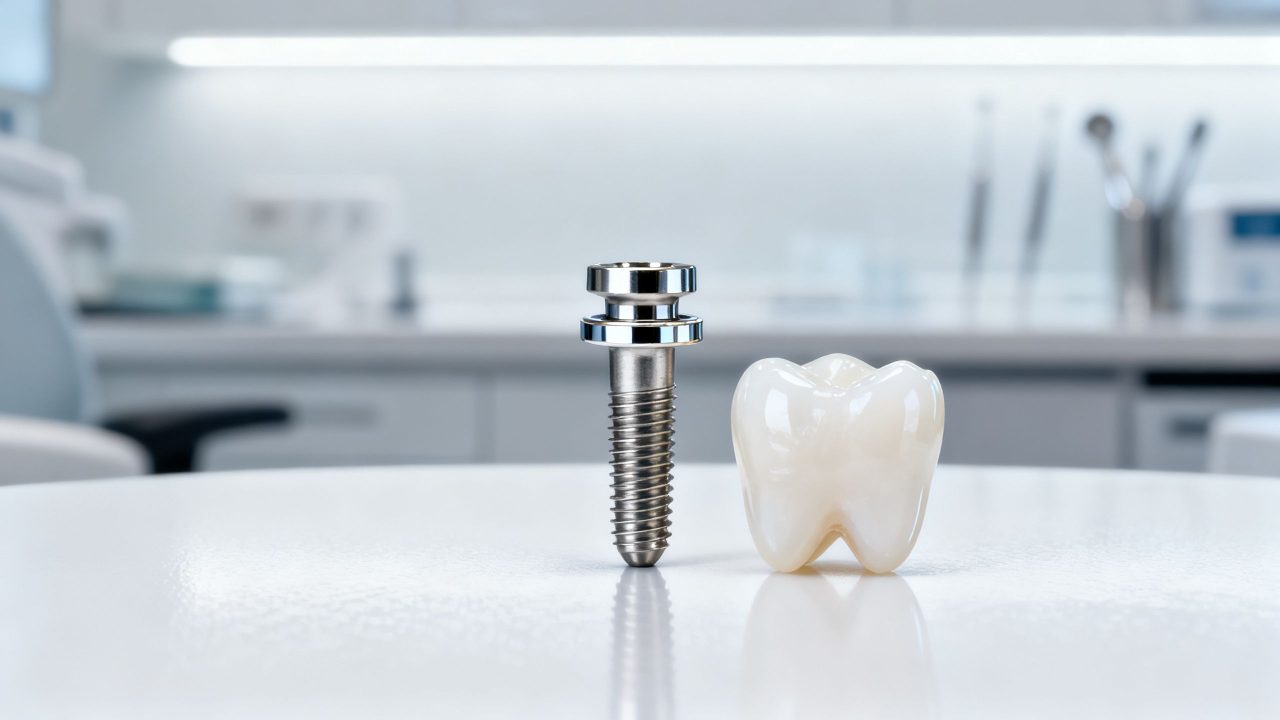
Quick Answer: In 2026, a single dental implant in Guelph typically costs between $4,000 and $6,000. This comprehensive price range usually includes the titanium implant, the connecting abutment, and the final porcelain crown. Costs can vary based on individual case complexity, the need for preparatory procedures like bone grafting, and specific material choices.
Dental implants provide a permanent, natural-feeling solution for missing teeth, restoring both your smile’s function and your confidence. Unlike other options, they are designed to fuse with your jawbone, creating a stable foundation that looks, feels, and works just like a natural tooth. At Dentistry on Guelph, we guide patients through this process with clarity and care, ensuring you understand every step from initial consultation to final result.
This guide offers a transparent look at what to expect with dental implants in Guelph for 2026. We will break down the costs, detail the procedure step-by-step, and explain the long-term benefits. Led by Dr. Reza Shahhaidari, who brings over 25 years of global dental experience, our team is committed to providing a comfortable and reassuring experience. We are a registered Canada Dental Care Plan (CDCP) provider and offer direct billing to most major insurers to make your treatment more accessible.
What Exactly Are Dental Implants?
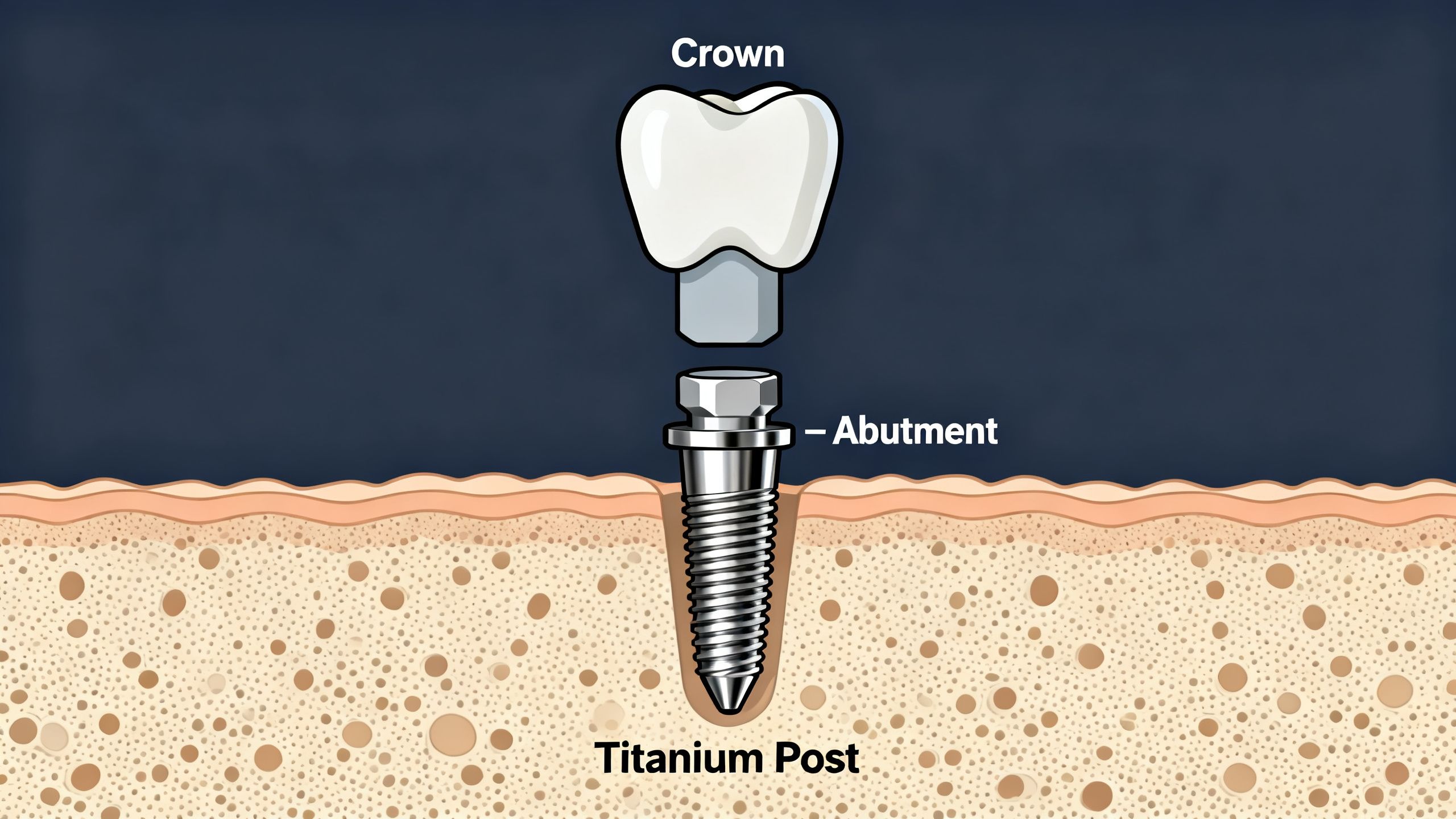
A dental implant is a sophisticated medical device designed to replace the entire structure of a missing tooth, from root to crown. It consists of three primary components that work together to create a durable and lifelike replacement. Understanding these parts helps clarify how they function to restore your smile so effectively.
- The Implant Post: This is a small, screw-like post typically made of biocompatible titanium. It is surgically placed into the jawbone where the original tooth’s root was located. Over several months, a process called osseointegration occurs, where the bone naturally grows around and fuses with the implant, creating an incredibly strong and stable anchor.
- The Abutment: Once the implant has fully integrated with the jawbone, a connector piece called an abutment is attached. The abutment sits just above the gum line and serves as the base for the final restoration. It securely links the implant post to the visible crown.
- The Crown: The final piece is the custom-made crown, which is the part of the implant that looks like a tooth. It is meticulously crafted from high-quality porcelain or ceramic to match the colour, shape, and size of your surrounding natural teeth. This crown is then permanently attached to the abutment, completing the restoration.
Dental Implant Costs in Guelph for 2026: A Detailed Breakdown
Understanding the financial investment is a critical part of planning for dental implants. While prices can vary significantly based on individual needs, we believe in providing clear and transparent cost estimates. The following table outlines the typical price ranges you can expect for various dental implant services at our Guelph clinic in 2026.
| Service | Estimated Cost Range (2026) | Notes |
|---|---|---|
| Single Tooth Implant | $4,000 – $6,000 | Includes the implant post, abutment, and a custom porcelain crown. |
| Implant-Supported Bridge (3-unit) | $8,000 – $15,000 | Uses two implants to support a three-tooth bridge, replacing multiple adjacent teeth. |
| Implant-Supported Denture (per arch) | $15,000 – $30,000+ | Secures a full denture using 2-6 implants for superior stability compared to traditional dentures. |
| All-on-4® Treatment Concept (per arch) | $20,000 – $35,000+ | A full-arch restoration using four strategically placed implants. A highly stable, non-removable solution. |
Factors That Influence Final Cost:
- Bone Grafting or Sinus Lifts: If you have experienced bone loss, a preparatory procedure may be needed to create a solid foundation for the implant. This adds to the overall cost.
- Tooth Extractions: The cost of removing a failing tooth prior to implant placement is a separate fee.
- Materials Used: The type of material chosen for the crown (e.g., zirconia vs. porcelain) can affect the price.
- Case Complexity: Complex cases involving multiple implants or challenging anatomical considerations may require more extensive planning and treatment.
As a registered provider for the Canada Dental Care Plan (CDCP), Dentistry on Guelph helps eligible patients access necessary dental care. The CDCP may offer coverage for implants and related procedures. To learn more about what might be covered, you can read our detailed guide: Canada Dental Care Plan Coverage in 2026: What’s Included?. We also offer direct electronic billing to most major insurance companies to simplify the payment process for you.
The Dental Implant Procedure: A Step-by-Step Guide
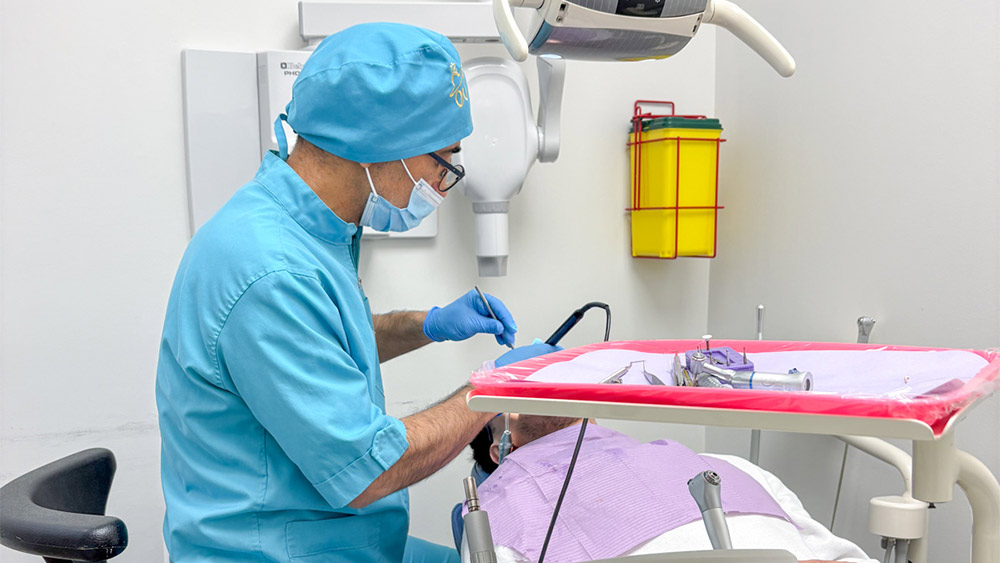
The dental implant journey is a multi-stage process that is carefully planned and executed to ensure the best possible outcome. At our Guelph clinic, Dr. Shahhaidari and his team ensure you are informed and comfortable at every step. Our patient-first approach means we take the time to answer your questions and tailor the treatment to your specific needs.
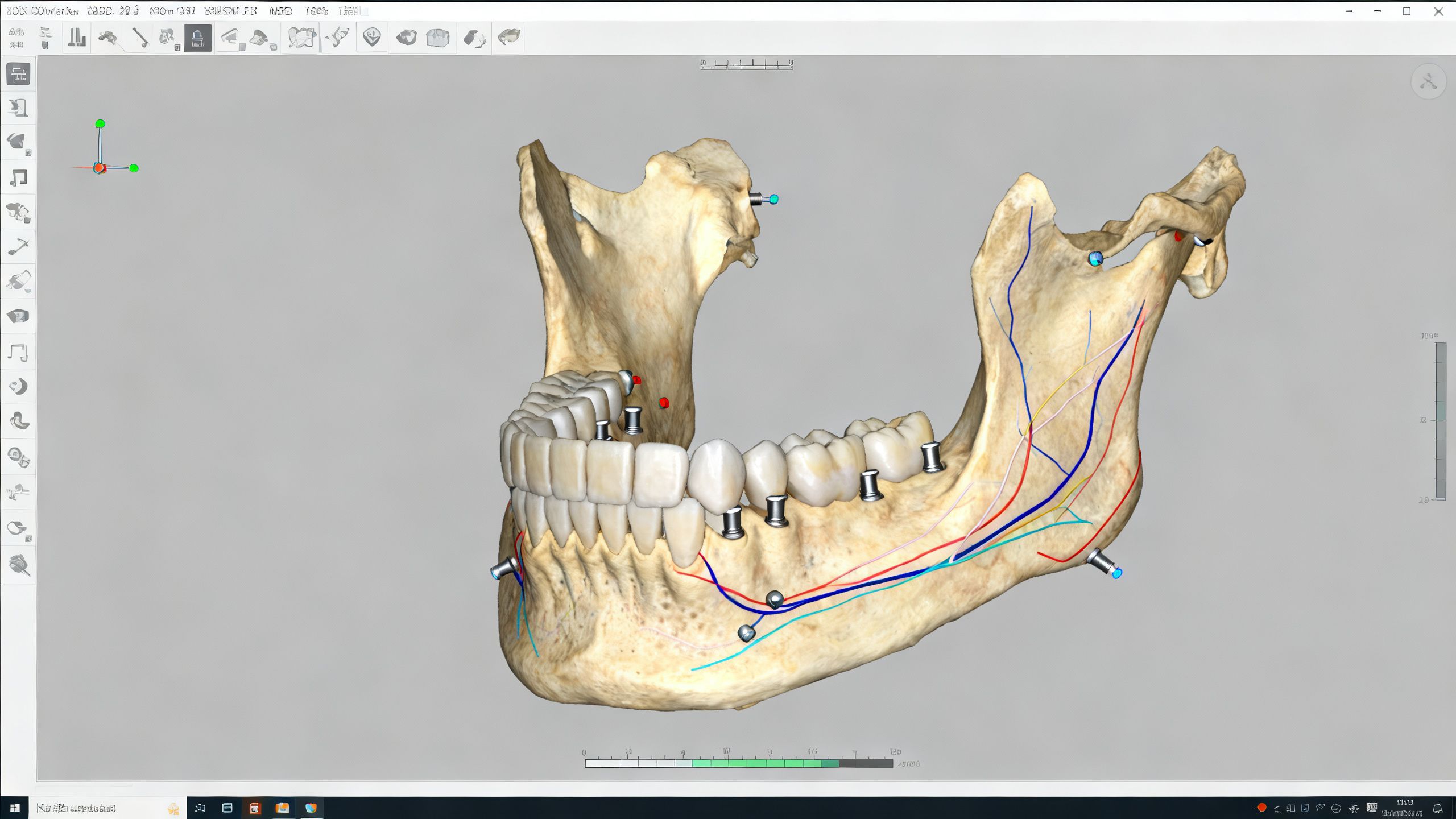
- Initial Consultation and Planning: Your journey begins with a thorough examination at our office at 380 Eramosa Rd. We use advanced imaging, like 3D scans, to assess your jawbone density and plan the precise placement of the implant. Dr. Shahhaidari will discuss your goals, review your medical history, and create a personalised treatment plan, including a detailed cost estimate.
- Implant Placement: This is the surgical phase where the titanium implant post is gently placed into your jawbone. The procedure is performed under local anaesthesia to ensure you are completely comfortable. Our team’s calm and efficient approach helps create a stress-free experience. We offer flexible scheduling, including evening and Saturday appointments, to accommodate your busy life.
- Osseointegration and Healing: Following placement, a crucial healing period of 3 to 6 months begins. During this time, the implant post fuses with your jawbone in a process called osseointegration. This natural fusion is what gives dental implants their remarkable strength and stability, creating a solid foundation for your new tooth.
- Abutment Placement: Once healing is complete and the implant is securely anchored, a small connector post called the abutment is attached. This minor procedure is typically done with local anaesthesia and involves making a small incision in the gum tissue to expose the implant and affix the abutment.
- Final Crown Placement: In the final step, your custom-crafted crown is securely attached to the abutment. We take great care to ensure the crown is a perfect match for your natural teeth in colour, shape, and size. After this appointment, you can leave our clinic with a fully restored, functional, and beautiful new tooth.
Dental Implants vs. Other Tooth Replacement Options
When deciding how to replace a missing tooth, it’s important to compare all available options. While dental implants have a higher initial cost, their long-term benefits in terms of health, function, and durability often make them the most valuable choice. Here’s how they stack up against traditional dental bridges and dentures.
| Feature | Dental Implants | Dental Bridges | Traditional Dentures |
|---|---|---|---|
| Stability | Fused directly to the jawbone for maximum stability; does not move or slip. | Fixed to adjacent teeth, which must be altered. Stability depends on the health of those teeth. | Rests on the gums and can be prone to slipping, clicking, or shifting while eating or speaking. |
| Jawbone Health | Stimulates and preserves jawbone density, preventing the sunken look that can occur with bone loss. | Does not address the bone underneath the gap, allowing it to deteriorate over time. | Can accelerate bone loss due to pressure on the gums and underlying bone ridge. |
| Longevity | Can last a lifetime with proper care, making them a permanent solution. | Typically lasts 5-15 years before needing replacement. | Needs to be relined or replaced every 5-10 years as the jawbone changes shape. |
| Impact on Other Teeth | A standalone solution that does not require altering or stressing adjacent healthy teeth. | Requires grinding down two healthy adjacent teeth to serve as anchors for the bridge. | Can cause irritation and wear on remaining natural teeth if the fit is not perfect. |
| Maintenance | Cared for just like natural teeth with regular brushing, flossing, and dental check-ups. | Requires special cleaning tools like floss threaders to clean underneath the bridge. | Must be removed daily for cleaning and soaking. Adhesives are often required. |
For those considering full-arch replacements, the differences are even more pronounced. For a deeper comparison, especially for full-arch solutions, see our guide on All-on-4 vs. Traditional Dentures in Guelph.
Life After Dental Implants: Care and Maintenance
One of the most significant advantages of dental implants is that they are cared for in the same way as your natural teeth. There are no special soaking solutions or messy adhesives required. However, diligent oral hygiene is essential to ensure the longevity of your implant and the health of your surrounding gums and bone.
Your daily care routine should include brushing at least twice a day and flossing once a day. It is particularly important to clean around the implant crown at the gum line to prevent plaque and bacteria buildup, which can lead to gum inflammation (peri-mucositis) or even bone loss around the implant (peri-implantitis).
Regular professional check-ups and cleanings at our Guelph dental office are essential. As we detail in our All-on-4 guide, we recommend visiting every six months. During these appointments, we will assess the health of your gums and the implant’s stability, perform a professional cleaning, and take any necessary X-rays to monitor the bone supporting the implant. This proactive care ensures your investment lasts for decades to come.
Frequently Asked Questions
1. How long do dental implants last?
With proper oral hygiene and regular dental check-ups, dental implants can last a lifetime. The crown attached to the implant may need replacement due to wear and tear after 10-15 years, but the implant post itself is designed to be a permanent fixture in your jaw.
2. Is the dental implant procedure painful?
Patients are often surprised by how little discomfort they experience. The placement surgery is performed under local anaesthesia, so you won’t feel any pain during the procedure. Post-operative soreness is typically mild and can be easily managed with over-the-counter pain relievers.
3. How long does the entire dental implant process take?
The full process, from implant placement to crown attachment, typically takes between 3 and 9 months. This timeline allows for the crucial osseointegration period, where the implant fuses with your jawbone. The exact duration depends on your individual healing rate and case complexity.
4. Can I get a dental implant on the same day as a tooth extraction?
In some cases, yes. This is known as an “immediate implant.” It is an ideal solution for many patients but depends on having sufficient bone and no infection at the extraction site. Dr. Shahhaidari will determine if you are a suitable candidate during your initial consultation.
5. Are dental implants covered by the CDCP?
Yes, the Canada Dental Care Plan (CDCP) does provide some coverage for prosthodontic services, including dental implants. As a registered CDCP provider, Dentistry on Guelph can help you understand and utilize your benefits. We recommend confirming your specific coverage details directly.
6. Why choose Dentistry on Guelph for my implants?
Our clinic combines the extensive 25+ years of experience of Dr. Reza Shahhaidari with a genuinely patient-focused approach. We offer convenient evening and weekend hours, direct insurance billing, and a calm, reassuring environment to make your treatment as smooth as possible.
Final Recommendation
For patients in Guelph seeking a permanent and reliable solution for missing teeth, dental implants are the superior clinical choice for most eligible candidates. While options like bridges and dentures have their place, they do not preserve jawbone health or offer the same level of stability and longevity as an implant. The investment in a dental implant is an investment in your long-term oral health, function, and confidence.
We recommend that anyone considering tooth replacement schedule a no-obligation consultation with Dr. Reza Shahhaidari. He will provide a thorough assessment of your oral health, listen to your personal goals, and give you a clear and honest recommendation tailored specifically to you. This will empower you to make the best decision for your smile.
Book Your Appointment Online
Ready to take the next step? Schedule your consultation with Dr. Shahhaidari and the team at Dentistry on Guelph today. We are a registered CDCP provider and look forward to helping you restore your smile.
Book Your Appointment Online or call us at (226) 541-5050.
About the Author — Dr. Reza Shahhaidari, DDS, Lead Dentist at Dentistry on Guelph. A dedicated member of the Ontario Dental Association with over 25 years of global dental experience. Known for his calm, patient-first approach — combining clinical efficiency with a gentle touch for a stress-free experience. Instagram | Facebook | About Us
Produced by: CiCon Marketing in collaboration with Dentistry on Guelph.
Dental Disclaimer: This article is intended strictly for general informational purposes and should not be construed as a substitute for professional dental advice or diagnosis. It is imperative that you consult with your qualified dentist or dental healthcare provider to obtain precise cost estimates, discuss your specific treatment options, and receive personalised care tailored to your individual needs and oral health condition.
Coverage details may vary. Contact your dental office or visit Canada.ca/dental for the most current information.


