

If you’ve been researching the Invisalign cost in Canada, you’re likely finding a wide range of numbers—and wondering which ones actually apply to you. This guide cuts through the confusion with real 2026 pricing data, Guelph-specific examples, and practical breakdowns of insurance coverage and payment options to help you make an informed decision about your smile.
Invisalign Cost in Canada & Guelph at a Glance
Invisalign clear aligners have become one of the most popular orthodontic treatment options across Canada in 2026, with more adults than ever choosing virtually invisible aligners over traditional metal braces. So let’s answer the question on everyone’s mind right away: how much does Invisalign cost?
Across Canada, most Invisalign cases run between $3,500 and $8,000 CAD in 2026. Mild cosmetic cases—think minor spacing or slight crowding—typically fall in the $3,500 to $4,500 range. Moderate corrections land somewhere in the middle at $4,500 to $6,500, while complex bite corrections (severe overbites, underbites, or crossbites) push closer to $7,000 to $8,000.
At Dentistry on Guelph, typical Invisalign treatment costs between roughly $4,000 and $7,500 depending on case complexity. Simple touch-up cases or minor adjustments may come in lower, while comprehensive full-mouth corrections approach the higher end of that range.
Here’s the good news: many patients don’t pay the full quoted price upfront. Between dental insurance reimbursements, health spending accounts, and affordable monthly payment plans offered by clinics like Dentistry on Guelph, the out-of-pocket cost becomes much more manageable.
Quick Summary:
- Canada range: $3,500–$8,000 CAD (mild to complex)
- Typical Guelph range: $4,000–$7,500 CAD
- Average treatment time: 6–18 months
- Monthly payment examples: approximately $95–$150/month over 24–36 months
What Is Invisalign and How Does It Work in 2026?
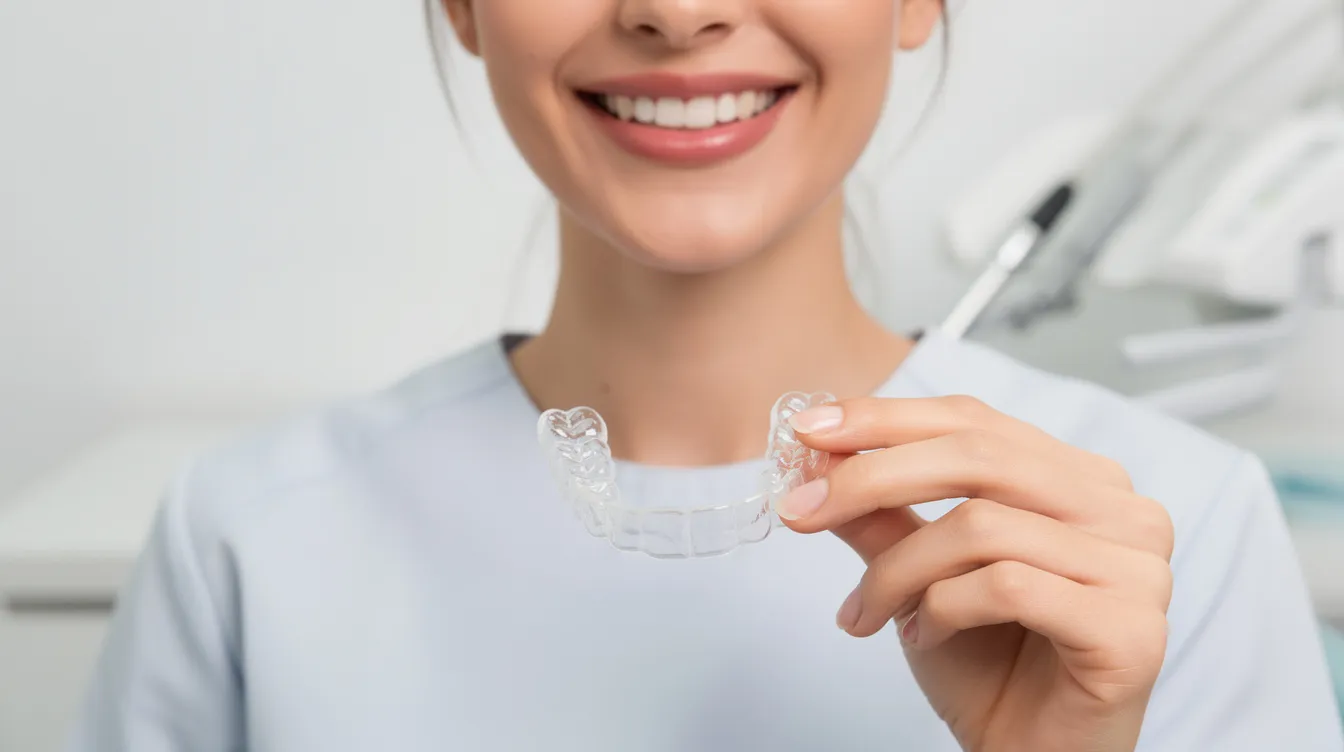
Invisalign is a system of clear, removable aligners made from SmartTrack-type thermoplastic material. Each aligner is custom-designed using 3D digital technology to gradually shift your teeth into their ideal positions over time. Unlike traditional braces, these invisible aligners can be removed for eating, brushing, and special occasions.
Compared to metal braces (fixed brackets connected by wires) and ceramic braces (tooth-coloured brackets that are less noticeable but still fixed), Invisalign offers several distinct advantages. The discreet appearance makes them popular among adults and professionals who don’t want visible orthodontic hardware. They’re also more comfortable—no sharp wires or brackets irritating your cheeks—and allow normal brushing and flossing since you remove them to clean your teeth.
The modern 2026 workflow at clinics like Dentistry on Guelph typically looks like this: Your first visit includes a comprehensive exam where your Invisalign provider evaluates your teeth, gums, and bite. Then comes a digital scan using an iTero-style intraoral scanner—no messy moulds required. This scan generates a 3D treatment simulation showing exactly how your teeth will move throughout treatment. Once you approve the treatment plan, your full series of custom aligners is fabricated and shipped to the clinic. You’ll have progress check-ins every 6–10 weeks, and many clinics now offer virtual monitoring options for parts of your treatment.
Treatment time varies based on case complexity. Most Canadian adults complete Invisalign treatment in 6 to 18 months. Minor spacing issues or post-braces relapse corrections might wrap up in just 6–9 months, while complex cases involving significant bite correction can take 18–24 months.
Conditions treatable with Invisalign in 2026 include crowding, spacing gaps, mild-to-moderate overbites, underbites, crossbites, and relapse after childhood orthodontic treatment. Invisalign doctors are increasingly accepting more severe cases as the technology advances, though your provider will confirm whether you’re a good candidate during your consultation.
What Affects Invisalign Cost in Canada?
No two smiles are identical, and neither are two Invisalign quotes. The treatment cost you receive depends on several factors specific to your situation.
Case Complexity: This is the biggest cost driver. A mild cosmetic case requiring minimal tooth movement costs significantly less than correcting a severe overbite or crossbite. More difficult movements require more precision, additional attachments, elastics, and potentially interproximal reduction (IPR) to create space.
Number of Aligner Trays: More aligners means more lab work and more monitoring time. Mild cases might use 14–20 trays, moderate cases typically need 25–35, and complex cases can exceed 40 trays including refinement rounds.
Treatment Duration: Longer treatment plans require more professional oversight, additional check-up visits, and potentially more aligners—all of which factor into the overall cost.
Provider Experience and Specialization: Orthodontists often charge more than general dentists due to specialized training. Providers with higher Invisalign certification levels (Platinum, Diamond) may command premiums but often deliver more efficient treatment planning with fewer refinements needed.
Clinic Location: Dental practices in major urban centers face higher rent, labour, and overhead costs than those in mid-sized cities.
Refinements and Extras: If your teeth don’t track exactly as planned, refinement aligners may be needed. Attachments (small tooth-coloured bumps) and elastics also add complexity.
Patient Factors: Adult bone density, previous orthodontic work, and overall gum health can affect how teeth move. These factors may contribute to longer treatment times or additional procedures, adjusting the final cost.
This explains why one patient might pay $4,000 for Invisalign while another pays $7,500—it’s not about paying more for the same thing, but about what your specific treatment details prescribed require.
Average Invisalign Costs in Canada & Guelph (2026)
These are typical 2026 fee ranges to help you budget—not official quotes. Dentistry on Guelph provides exact pricing after a comprehensive exam where Invisalign doctors determine your specific treatment details.
Provincial averages show some variation: Ontario sits around $5,500 on average.
Guelph-Specific Pricing:
At Dentistry on Guelph, most adult Invisalign treatments fall between roughly $4,200 and $7,200. Simple touch-up cases or limited-tray “Express” options can come in lower, while comprehensive full-mouth corrections with significant bite changes approach the higher end.
A typical quote at Dentistry on Guelph is designed to be all-inclusive: your initial exam, digital scans, all necessary aligners, attachments, scheduled progress visits, basic refinements if needed, and at least one set of post-treatment retainers. This transparency helps you avoid surprises and compare quotes accurately across providers.
At Dentistry on Guelph, down payments are often modest or optional, and payment schedules can be aligned with your pay cycle to make budgeting easier.

Invisalign vs. Braces Cost in Canada
Many Canadian patients explore affordable payment options for both Invisalign and traditional braces before deciding. Understanding how braces cost compares helps you weigh your options.
2026 National Cost Ranges:
| Treatment Type | Typical Cost Range |
|---|---|
| Traditional metal braces | $3,000–$6,000 |
| Ceramic braces | $4,000–$8,000 |
| Invisalign | $3,500–$8,000 |
On paper, metal braces can be slightly cheaper for some cases—but the overall cost picture includes more than the quoted price. Traditional braces often require more emergency visits for broken wires or loose brackets, more time off work or school for adjustments, and can impact adults professionally due to their visible appearance.
Key differences that affect value:
- Fewer visits: Invisalign typically requires check-ins every 6–10 weeks versus monthly adjustments for braces
- Better oral hygiene: Removable aligners allow normal brushing and flossing, reducing risk of cavities during treatment
- No food restrictions: Eat what you want—just remove your aligners first
- Virtually invisible: No metal or ceramic brackets visible in photos, meetings, or dates
- More comfort: No wires to poke your cheeks or brackets to irritate your lips
Dentistry on Guelph can provide side-by-side cost comparisons during your free consultation, showing total projected costs for each option—not just starting prices—so you can make the best investment for your situation.
What’s Included in the Cost at Dentistry on Guelph?
Dentistry on Guelph believes in transparent pricing so you can avoid surprises and confidently compare options. Here’s what’s typically included in an Invisalign fee quote:
- Initial comprehensive exam and smile assessment: Evaluation of teeth, gums, bite alignment, and overall oral health
- Digital scanning and treatment planning: iTero-style intraoral scan and 3D treatment simulation—no messy impressions
- Full series of aligners: All trays needed for your treatment plan, including any attachments or elastics required
- Scheduled progress visits: Regular check-ins every 6–10 weeks to ensure treatment is tracking properly
- Basic refinements: If your teeth need additional aligners to reach the final result, one round of refinements is typically included
- Post-treatment retainers: At least one set of removable retainers to maintain your results after active treatment
Advanced technology—3D scanners, digital photography, simulation software—is rolled into the treatment price rather than billed as additional expenses. Replacement aligners (if you lose one) or additional retainers beyond the initial set may incur extra costs.
Always ask any clinic for a written breakdown showing exactly what’s included so you can accurately compare quotes from different providers.
Does Insurance Cover Invisalign in Canada and in Guelph?
Many dental insurance plans treat Invisalign similarly to traditional orthodontic treatment, but insurance coverage varies significantly by employer and provider.
Typical 2026 Coverage Patterns:
Most private dental insurance plans with orthodontic benefits cover approximately 50% of eligible treatment costs up to a lifetime maximum. That maximum typically ranges from $1,500 to $3,000 per person—meaning your insurance might cover half your treatment up to that cap.
In Guelph, patients commonly use plans from major providers like Sun Life, Canada Life, Manulife, and Green Shield. If your dental plan includes orthodontic benefits for adults or dependents, Invisalign is often eligible—but confirm with your insurance provider whether “clear aligners” or “Invisalign” is explicitly mentioned.
What to check in your plan:
- Age limits (some plans only cover braces for children under 18)
- Lifetime orthodontic maximums
- Waiting periods before coverage begins
- Whether clear aligners are specifically included or excluded
- Pre-authorization requirements
Canadian Dental Care Plan (CDCP):
The federal CDCP, expanded in 2025-2026, may cover Invisalign if it’s deemed medically necessary for Canadians without private coverage whose family net income falls under approximately $90,000. Coverage percentages vary by income band—households under $70,000 may receive full coverage of CDCP-set fees, while higher income brackets receive partial coverage.
How Dentistry on Guelph helps:
Our team assists with interpreting your insurance breakdown, confirming pre-authorization when required, and submitting claims electronically where possible. Bring your benefit details to your consultation, and we’ll help estimate what portion your plan will cover.
How to Save on Invisalign Treatment in Canada
Invisalign represents a significant investment, but there are legitimate strategies to manage your overall cost without sacrificing quality or results.
Maximize Your Insurance Benefits:
- Use your full orthodontic lifetime maximum before benefits reset (often each calendar year)
- If timing allows, split treatment costs across two benefit years to claim twice
- For teen patients, coordinate benefits between both parents’ insurance plans if possible
Ask About Promotions:
- Inquire about seasonal offers, new-patient specials, or bundled packages at Dentistry on Guelph
- “Pay in full” discounts may be available—discounts never compromise safety or materials
Prioritize Quality Over Bargain Pricing:
- Choosing an experienced Invisalign provider reduces the risk of extended treatment or additional refinement rounds
- Treatment done right the first time delivers better long-term value than a cheaper option requiring corrections
Check CDCP Eligibility:
- If you lack private insurance and meet income requirements, determine whether you qualify for the Canadian Dental Care Plan
Tax Considerations:
- Out-of-pocket dental expenses exceeding a certain percentage of your income may qualify for medical expense tax credits in Canada
- Consult a tax professional about potential savings
Maintain Good Oral Health:
- Preventing cavities and gum issues during treatment avoids delays and additional costs
Why Choose Dentistry on Guelph for Invisalign?
At Dentistry on Guelph, we believe great dental care goes beyond treatments—it’s about trust, comfort, and long-term results. Our patient-first approach ensures every visit is stress-free, informative, and tailored to your unique needs.
Experienced & Compassionate Team: Our skilled dental professionals combine years of experience with a gentle, caring approach. Whether you’re a nervous first-timer or returning after years away from the dentist, we make patients of all ages feel comfortable and confident in their orthodontic care.
Comprehensive Dental Services: From routine cleanings and exams to restorative and cosmetic treatments, we offer complete dental solutions under one roof. Coordinating your Invisalign treatment with other dental needs saves time and ensures consistent, high-quality care.
Advanced Technology & Modern Care: We use the latest dental technology—including digital 3D scanners, simulation software, and virtual monitoring options—to deliver precise diagnoses, efficient treatments, and outstanding results while prioritizing your comfort.
Patient-Centered Experience: Your smile goals matter to us. We take time to listen, explain your options clearly (including Invisalign vs braces vs no treatment), and create personalized treatment plans that fit your lifestyle and budget. Honest cost discussions mean no surprises.
Convenient & Accessible Dentistry: Our central Guelph location, flexible scheduling (including early and later appointments where possible), and welcoming environment make it easy to get the care you need—when you need it.
Invisalign FAQs for Canadian Patients in 2026
This FAQ section quickly answers the most common cost and logistics questions Canadian patients ask.
How much does Invisalign usually cost in Canada?
Most cases range from $3,500 to $8,000 CAD depending on complexity. Mild cosmetic cases start lower; complex bite corrections approach the higher end.
How long does treatment take?
Typically 6–18 months for most adults. Minor corrections may finish in 6–9 months; severe cases can extend to 18–24 months.
Is Invisalign more expensive than braces?
Pricing is often similar—metal braces run $3,000–$6,000, Invisalign $3,500–$8,000. Invisalign’s lifestyle benefits (fewer visits, better hygiene, discreet appearance) factor into its value.
Can I pay monthly for Invisalign?
Yes. Dentistry on Guelph offers flexible 0% interest payment plans spreading costs over 12–36 months, with small payments starting around $80–$150/month for many patients.
Do retainers cost extra?
At Dentistry on Guelph, at least one set of retainers is typically included in your quote. Confirm details at your consultation.
Am I too old for Invisalign?
Not at all. Many patients in their 30s, 40s, 50s, and beyond start Invisalign successfully. There’s no upper age limit for a straighter smile.
Will my insurance cover Invisalign treatment?
Many dental insurance plans cover Invisalign similarly to braces—often 50% up to a lifetime maximum. Check with your insurance provider for specific treatment details.
Schedule a consultation
at Dentistry on Guelph for personalized answers about your case, insurance coverage, and payment options.


