(226) 541-5050
380 Eramosa Rd, Unit #6, Guelph, ON, N1E 6R2
Dental implants in Guelph are titanium posts surgically placed into the jawbone to act as permanent artificial tooth roots. They support crowns, bridges, or implant-supported dentures — giving Guelph patients who have lost teeth from gum disease, decay, or injury a solution that looks, feels, and functions like natural teeth.
At Dentistry on Guelph, Dr. Reza Shahhaidari and our experienced team provide dental implant consultations and treatment at our clinic at 380 Eramosa Rd, Guelph, ON. We offer evening hours Monday to Friday until 7:00 PM and Saturday appointments — making it easier for working Guelph families to access implant care without taking time off.
Why choose dental implants over dentures or bridges? Implants are the only tooth replacement option that preserves jawbone density, prevents neighbouring teeth from shifting, and requires no adhesives or special cleaning routines. With proper care, dental implants can last 25+ years or a lifetime.
CDCP coverage may apply to your implant consultation if you are an eligible Canadian resident. Ask our team about your coverage at your first appointment.
Dental implants Guelph are ideal for adults who have lost teeth due to:
Gum disease
Tooth decay
Injury or trauma
Eligibility requirements:
Healthy gums are critical; gum disease must be treated first.
Overall health conditions like diabetes or osteoporosis may affect healing.
A good candidate typically has good oral hygiene and strong overall dental health.
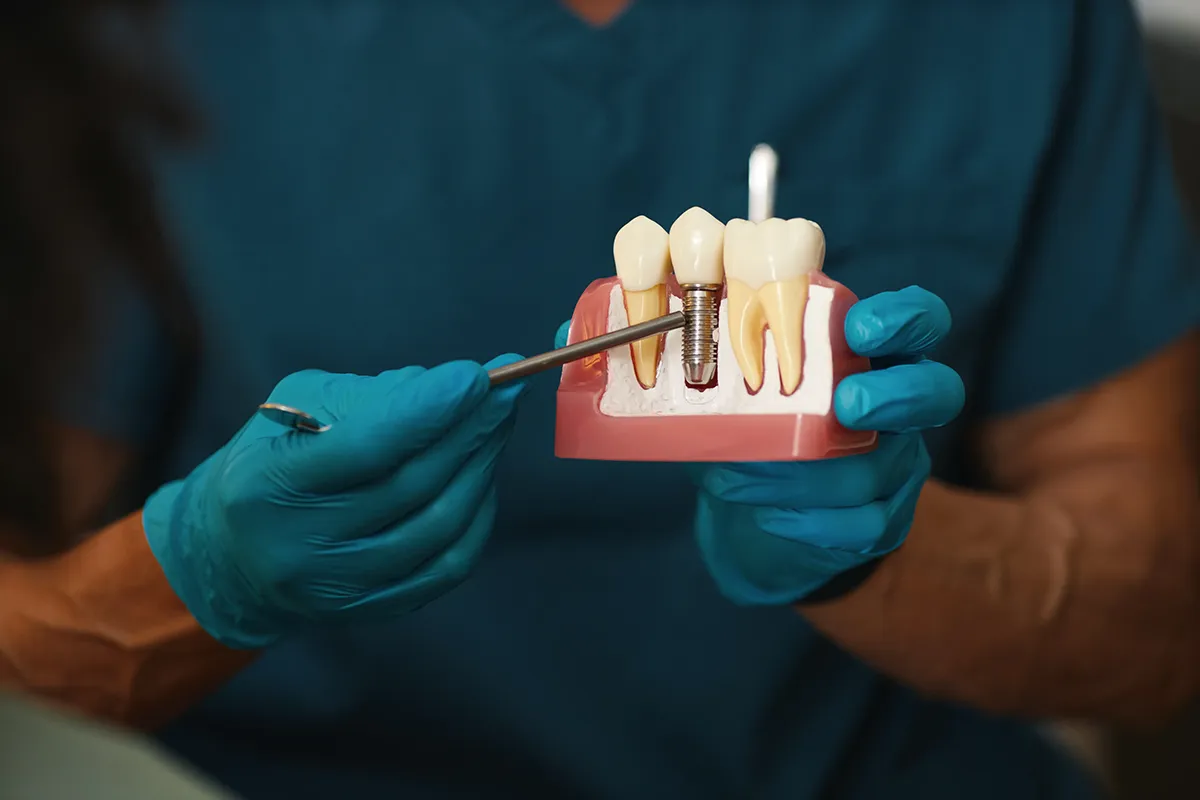
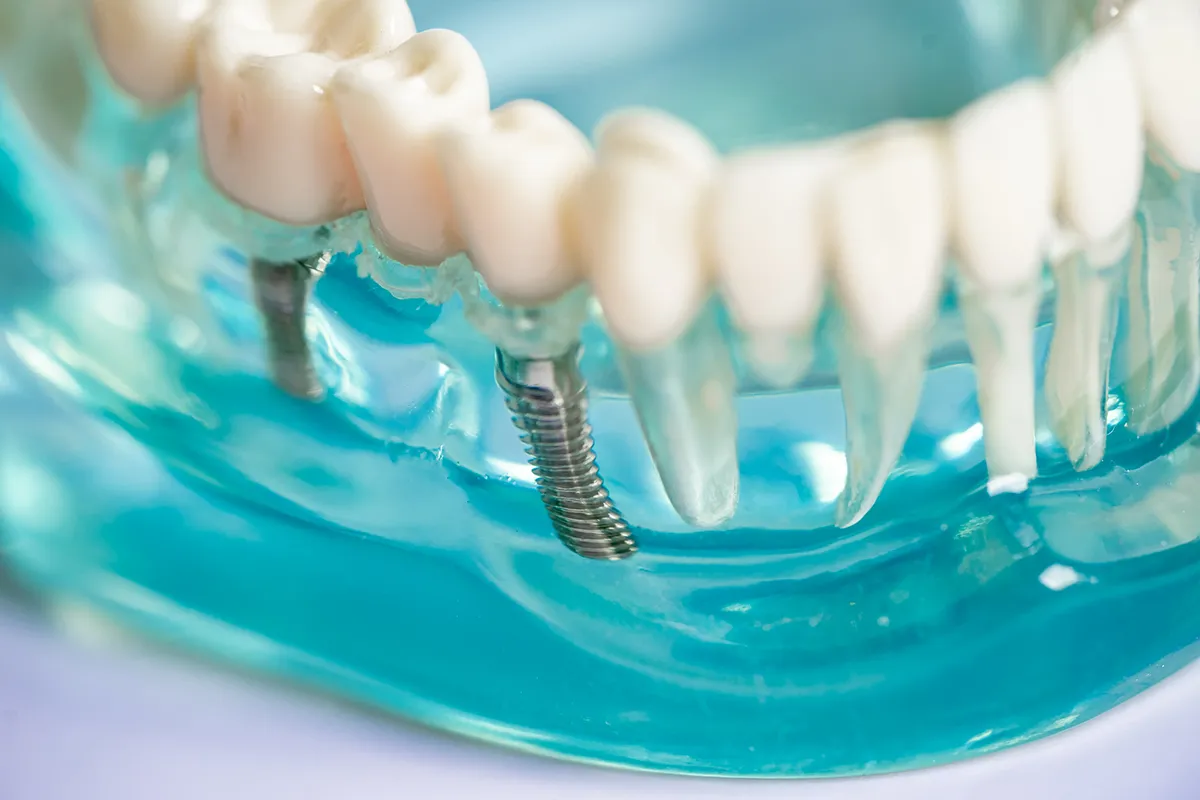
Choosing dental implants Guelph offers long-term oral health and cosmetic benefits:
A permanent and stable solution that lets you eat freely, speak clearly, and enjoy a confident smile
Avoid slippage common with removable dentures
Preserve bone and support facial structure
Help prevent surrounding teeth from shifting
Improve oral functionality and quality of life, and can last for many years with proper care
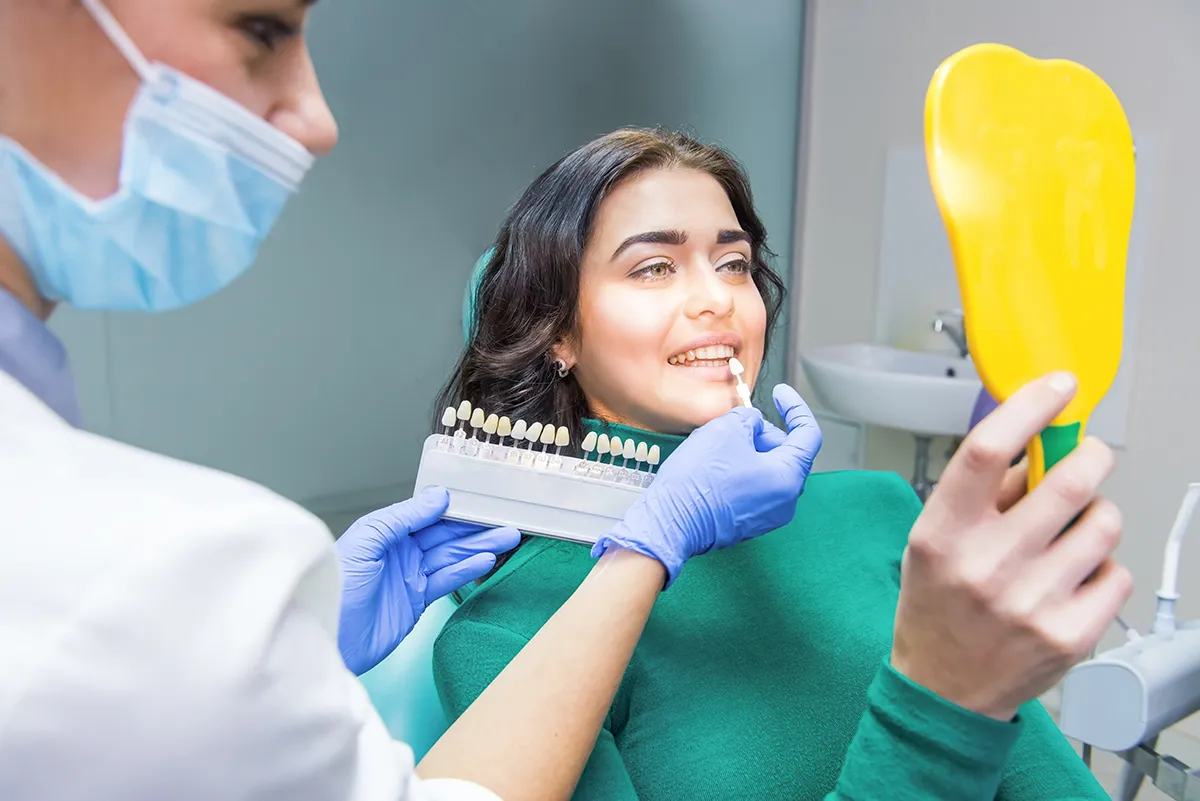
Implant-supported dentures attach directly to dental implants Guelph, providing superior stability, and implants can also support crowns or bridges. A bridge or denture can be secured to implants to replace several teeth or a full arch.
Advantages:
Prevent denture slippage
Enhance chewing and speaking
Maintain jawbone health
Depending on the treatment plan, dentures may be fixed to implants or function as removable dentures
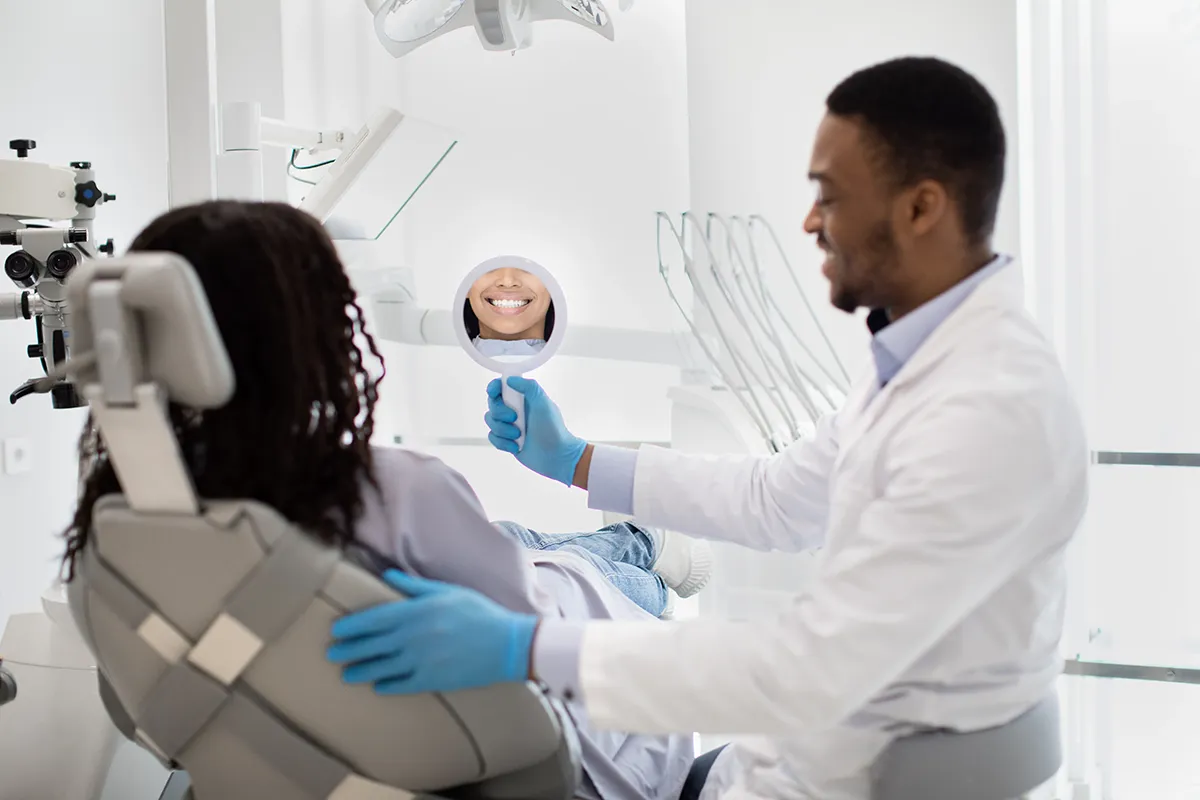
We use premium, biocompatible materials for dental implants Guelph:
A titanium post for strong integration with the jaw bone
Ceramic or porcelain crowns and bridges, with the restoration type based on whether you need a crown or bridge for a natural-looking, durable result
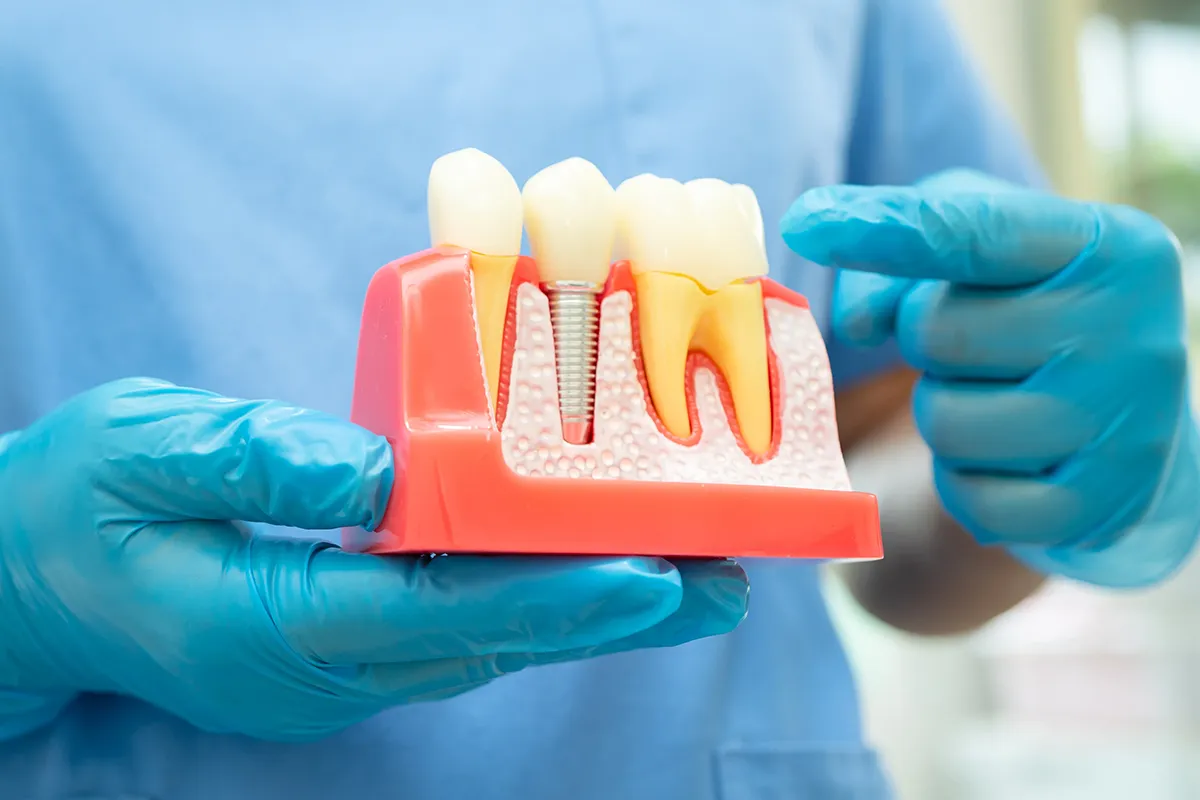
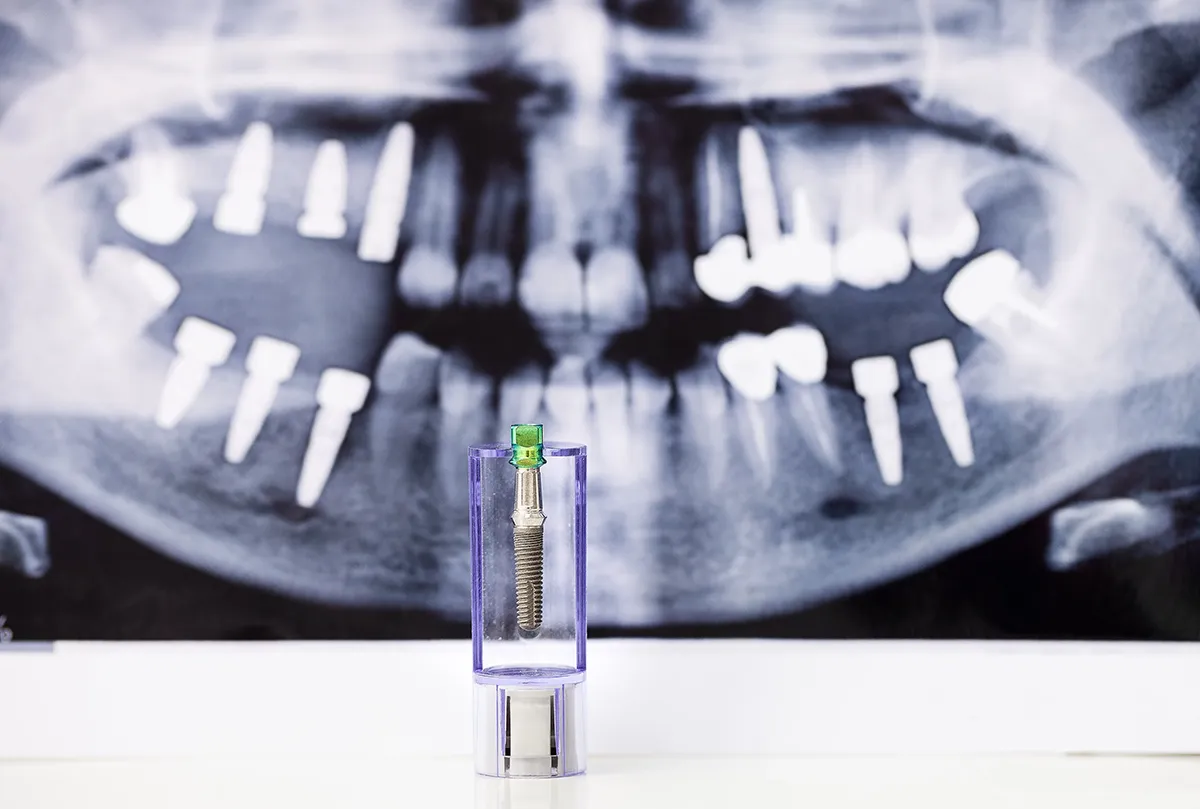
An experienced implant dentist with expertise in implant dentistry starts the process with a thorough examination and consultation. In this phase, the dentist examines your mouth, takes X-rays, and uses advanced technology to create a custom treatment strategy with personalized care; because implants are offered by general dentists and specialists, this consultation also helps determine whether you are a good candidate.

The dental implant surgery begins after establishing a personalized treatment plan and is typically performed under local anesthesia, with sedation options available when appropriate. During the procedure, a small titanium post is surgically placed into the jaw bone to replace the natural tooth root. This placement is a critical step in a process that involves multiple steps for successful fusion.
After implant surgery, the healing phase called osseointegration occurs. During this time, the implant bonds with the surrounding bone through bone growth, creating a strong base for the dental restoration. This crucial process usually lasts several months, allowing the implant to fully integrate and prepare for the next steps in tooth replacement.
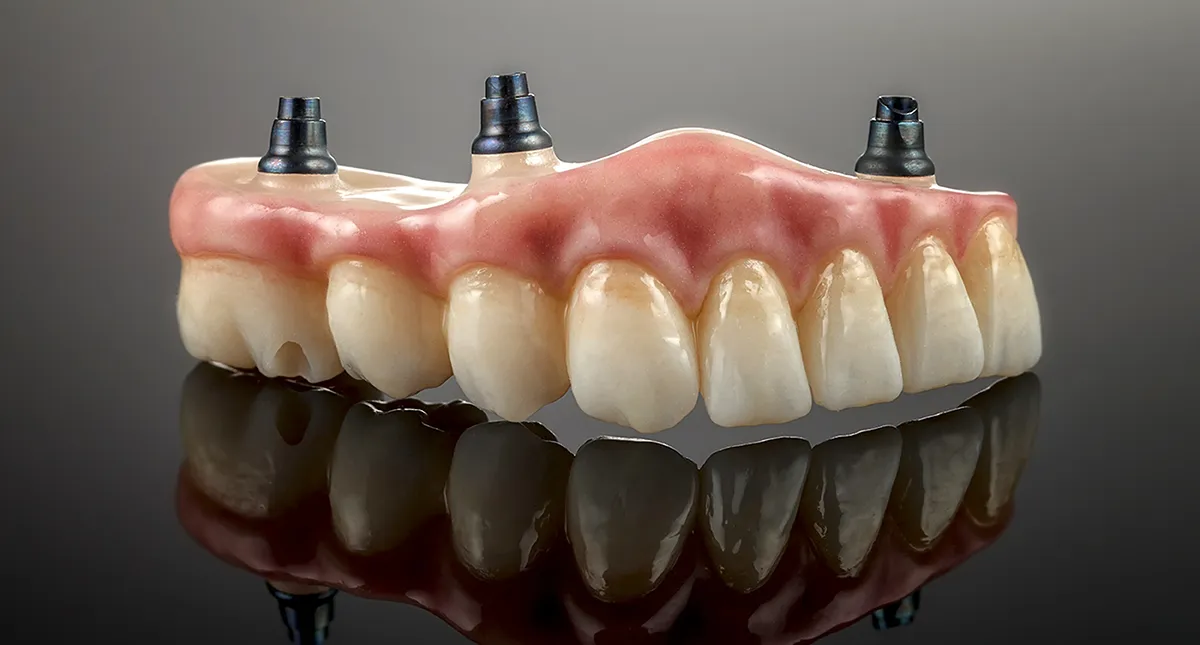
A critical step in the procedure of implants is osseointegration, the process where bone fuses with the implant over time. During healing, bone growth is what helps the implant bonds with the jaw bone, providing a stable foundation for the restoration. The implant can completely integrate during this healing process, typically lasting a few months.
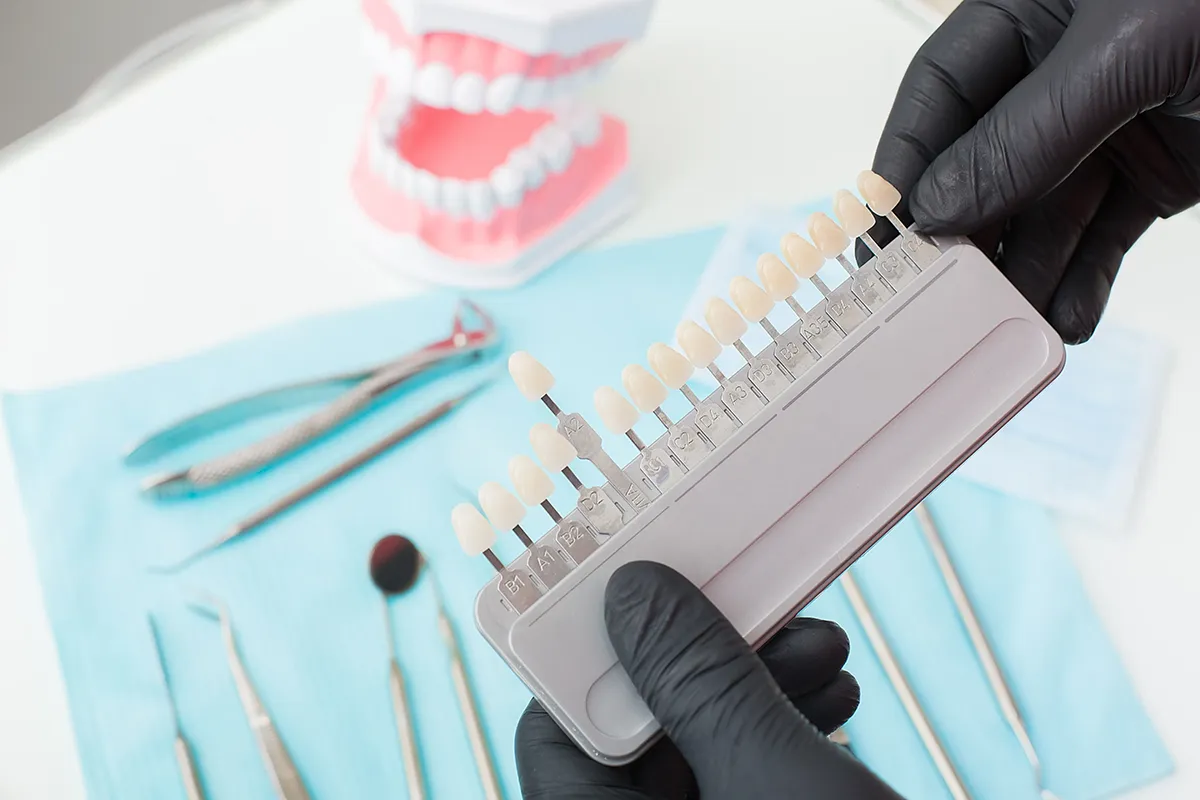
The healing time for implants can vary depending on individual factors, such as the complexity of the procedure and the patient’s overall health. Generally, the healing process takes about 3 to 6 months, though some cases may take longer, during which the implant gradually fuses with the jawbone.
During healing, maintain good oral hygiene by gently brushing with a soft toothbrush, flossing daily, and using antibacterial mouthwash to support long-term implant success.
Implants need enough healthy bone to hold them securely. After a tooth has been missing for a while, the jawbone in that area can shrink. If your X-rays show there isn’t enough bone, a bone graft may be recommended to rebuild the area before or during implant placement. For patients missing a full arch of teeth, All-on-4 implants are designed to make the most of the bone that is available. Your consultation will show which option suits you.
Curious about lifespan? Read our guide on how long dental implants last.
Permanent, no removal required
Stable fit for eating, speaking, and smiling
Comparing full-arch options? See All-on-4 vs. traditional dentures, or learn about dentures at our Guelph clinic.
Stand independently, no modification of adjacent teeth
Longer-lasting and more natural-looking
Mimic natural teeth in appearance and function
Preserve jawbone and facial structure
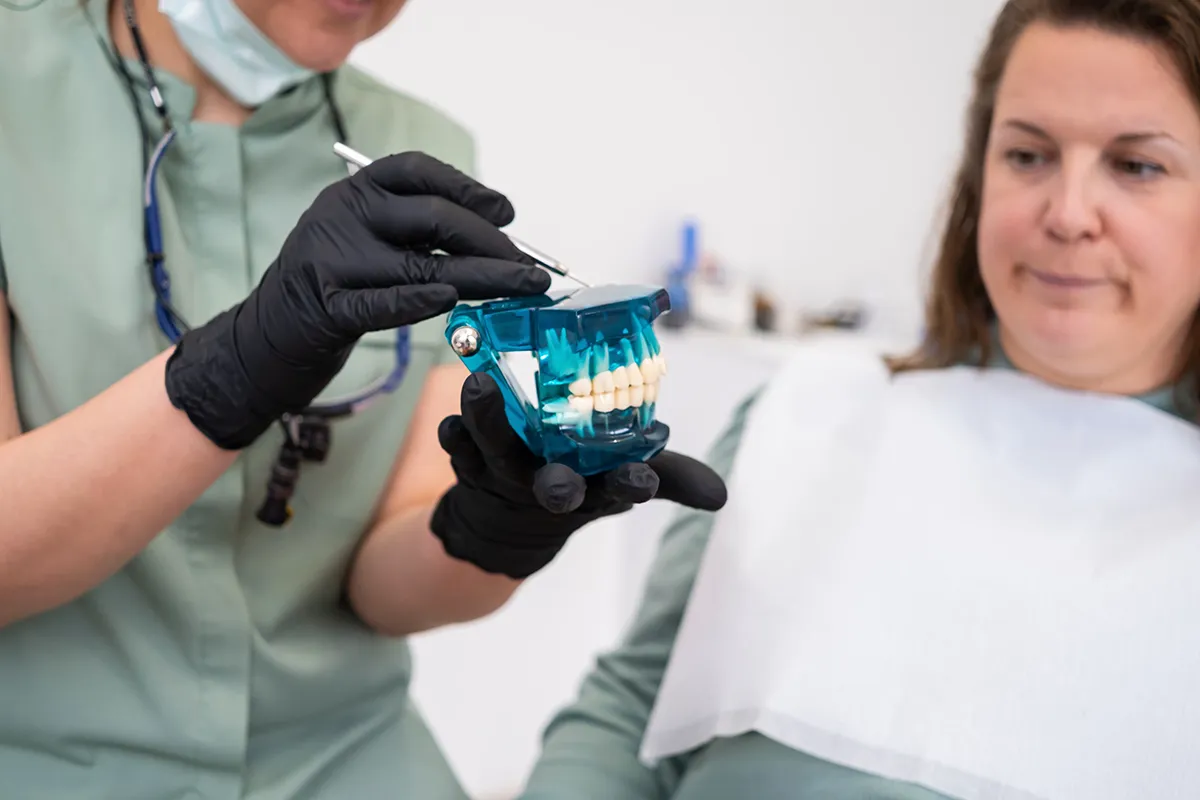
Several elements, including the number of implants required, the kind of restoration, and any additional procedures needed, can affect the price of implants. Implants typically cost between a few thousand and several thousand dollars each.
For a detailed breakdown, see our guides to dental implant costs in Ontario and full mouth dental implant costs. If you are missing most or all of your teeth, learn more about All-on-4 dental implants in Guelph.
Single Tooth Implant: A missing tooth can be replaced with this kind of implant. The cost may vary based on elements like the dental clinic’s location and any additional procedures necessary.
Implant-supported bridge: An implant-supported bridge may be a good choice if you have several adjacent missing teeth. The cost will vary depending on how many implants are required and how complicated the bridge is.
All-on-4 implants: Four implants are inserted during this procedure to support a full arch of teeth. The price can vary based on the required number of implants, the materials, and additional procedures.
All-on-6 or All-on-8 implants: These options use six or eight implants to support a full set of teeth, much like the All-on-4 procedure. The price will vary depending on the required number of implants, the materials, and additional procedures.
Mini implants: These smaller implants are frequently used for patients with low bone density or for stabilizing dentures. The price may change depending on the required number of mini implants and any additional procedures.
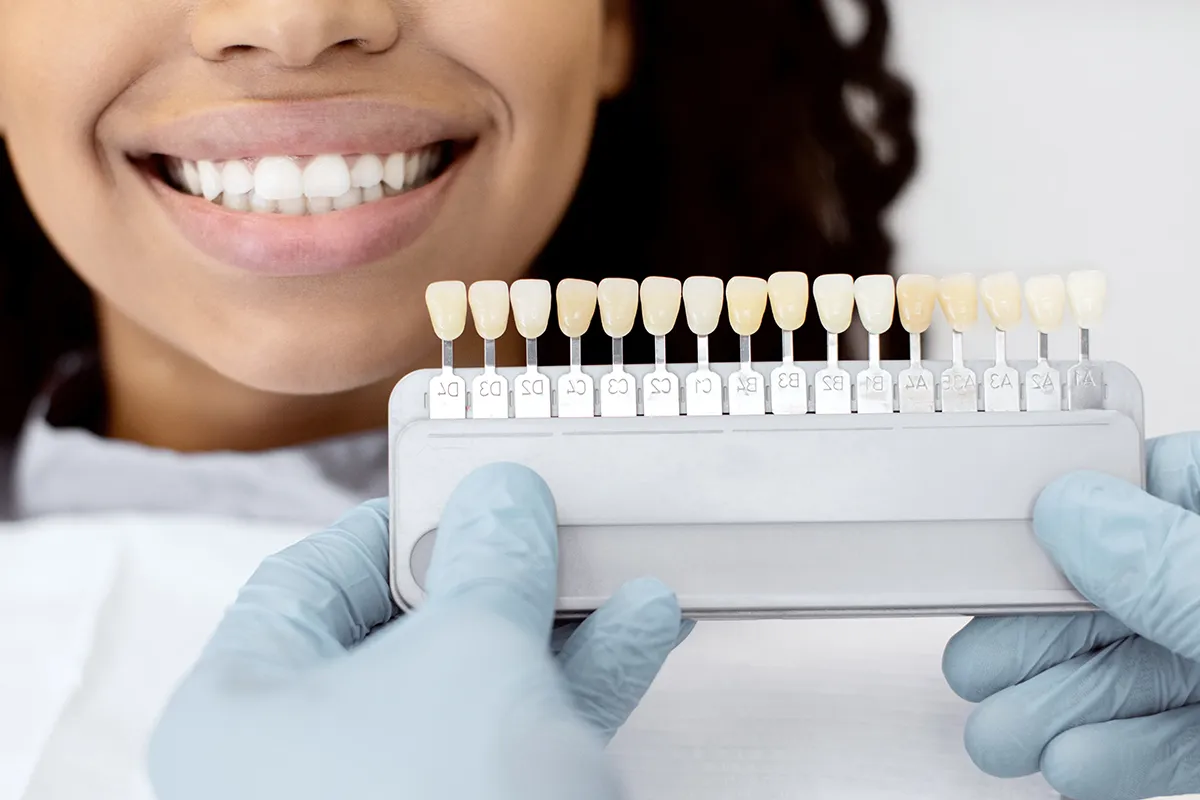
Local anesthesia ensures a pain-free procedure
Mild swelling and discomfort may occur, manageable with OTC pain relievers
Proper oral hygiene is essential for successful healing
For a closer look at comfort and recovery after full-arch treatment, read how painful All-on-4 dental implants are.
Insurance policies cover implants differently. For example, dental implants may be partially covered by some dental insurance plans while being completely uninsured by others. Contact your insurance-providing company to learn more about implant procedures and their insurance coverage.
Implants are titanium posts surgically inserted into the jawbone to act as artificial tooth roots. They are used to support dental restorations like crowns, bridges, or dentures.
Implants are an option for the majority of adults who have experienced tooth loss from gum issues, cavities, or accidents. However, healthy gum tissue and overall good health are essential for success. Patients with certain medical conditions may require special considerations.
Implants look and function like natural teeth, stay fixed in place, help preserve the jawbone, and do not require reshaping neighbouring teeth the way a bridge does. With good care, they are a long-term way to replace missing teeth.
These dentures are secured to dental implants instead of relying on adhesives or suction. They offer enhanced stability, improve chewing and speaking, and help preserve the jawbone’s health.
The process begins with a consultation, followed by implant placement surgery. After osseointegration, the abutment and crown are attached to complete the restoration.
With good home care and regular check-ups, the implant post itself can last for decades. The crown attached to it may eventually need replacing because of normal wear. Learn more about implant lifespan.
Implants are fixed in place and help preserve the jawbone, while dentures are removable and usually cost less upfront. The best choice depends on your oral health, bone levels and goals. Our team can walk you through both options at your consultation.
Reviewed by Dr. Reza Shahhaidari, DDS · Last reviewed September 2026

Welcome to our Dentistry on Guelph, where we’re dedicated to helping people achieve healthy and beautiful smiles. We believe a confident smile can change lives and are here to make that happen. Our mission is simple: Providing exceptional dental care with a personal touch to each patient.
SEO by CiCon Marketing Agency
Phone:
(226) 541-5050
Address:
380 Eramosa Rd, Unit #6
Guelph, ON, N1E 6R2
Visit Dentistry On Guelph on these social links.


